

Composite vs Cast Iron Bridge Plugs: Which Is Best for Your Well?

When it comes to wellbore isolation, choosing the right bridge plug can significantly impact efficiency, cost, and long-term performance. One of the most common decisions operators face is whether to use composite or cast iron bridge plugs. While both types are designed to provide reliable zonal isolation, they differ in material, performance, and application. Understanding these differences is essential to selecting the right solution for your well conditions and operational goals.
What Do Bridge Plugs Do?

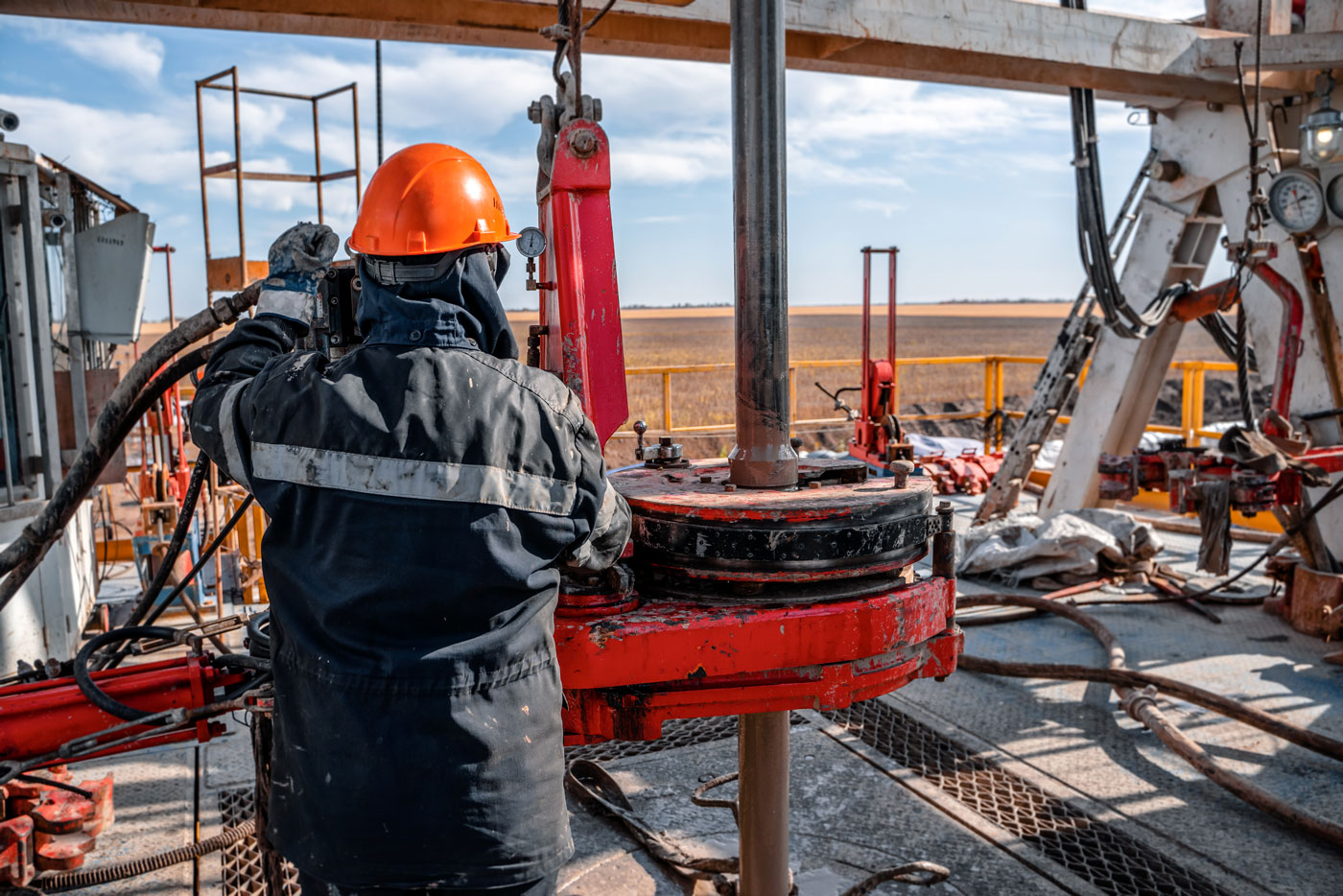
Bridge plugs are downhole tools used to create a barrier within a wellbore, preventing fluid movement between zones. They are commonly used in:

  • Well completion
  • Plug and abandonment (P&A)
  • Squeeze cementing
  • Pressure testing and zonal isolation

These tools play a critical role in maintaining well integrity and ensuring safe, controlled operations. In many cases, they are deployed temporarily or permanently depending on the lifecycle stage of the well.

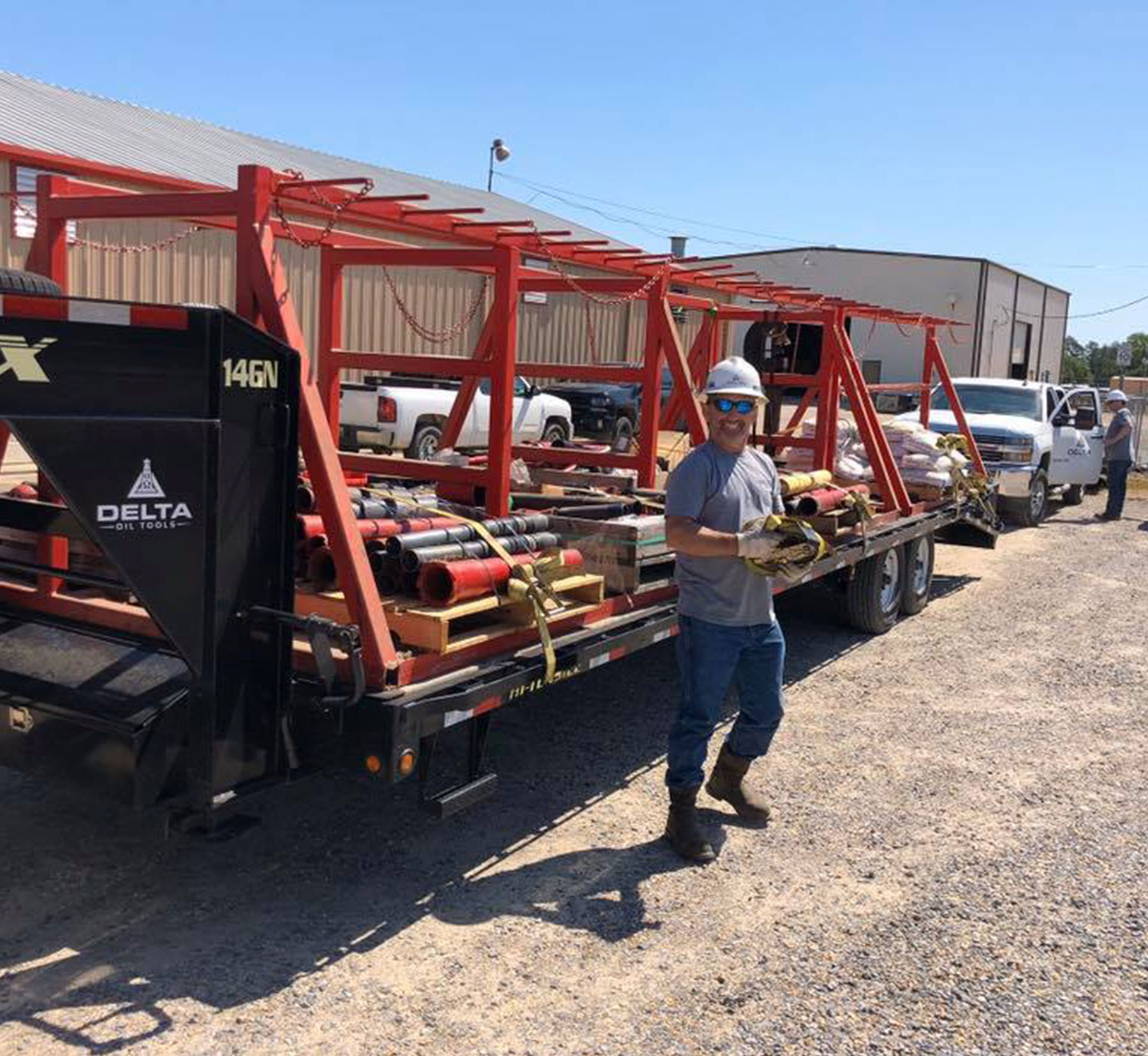
Large Inventory of Bridge Plugs

Composite vs Cast Iron: What’s the Difference?

The primary difference between composite and cast iron bridge plugs lies in their material composition and operational purpose.

  • Cast iron plugs are made from durable metal and are designed for strength and long-term sealing
  • Composite plugs are made from engineered materials like fiberglass and resin, designed for faster drill-out and operational efficiency

Both provide effective isolation, but they are used in different scenarios depending on well requirements, environmental conditions, and operational timelines.

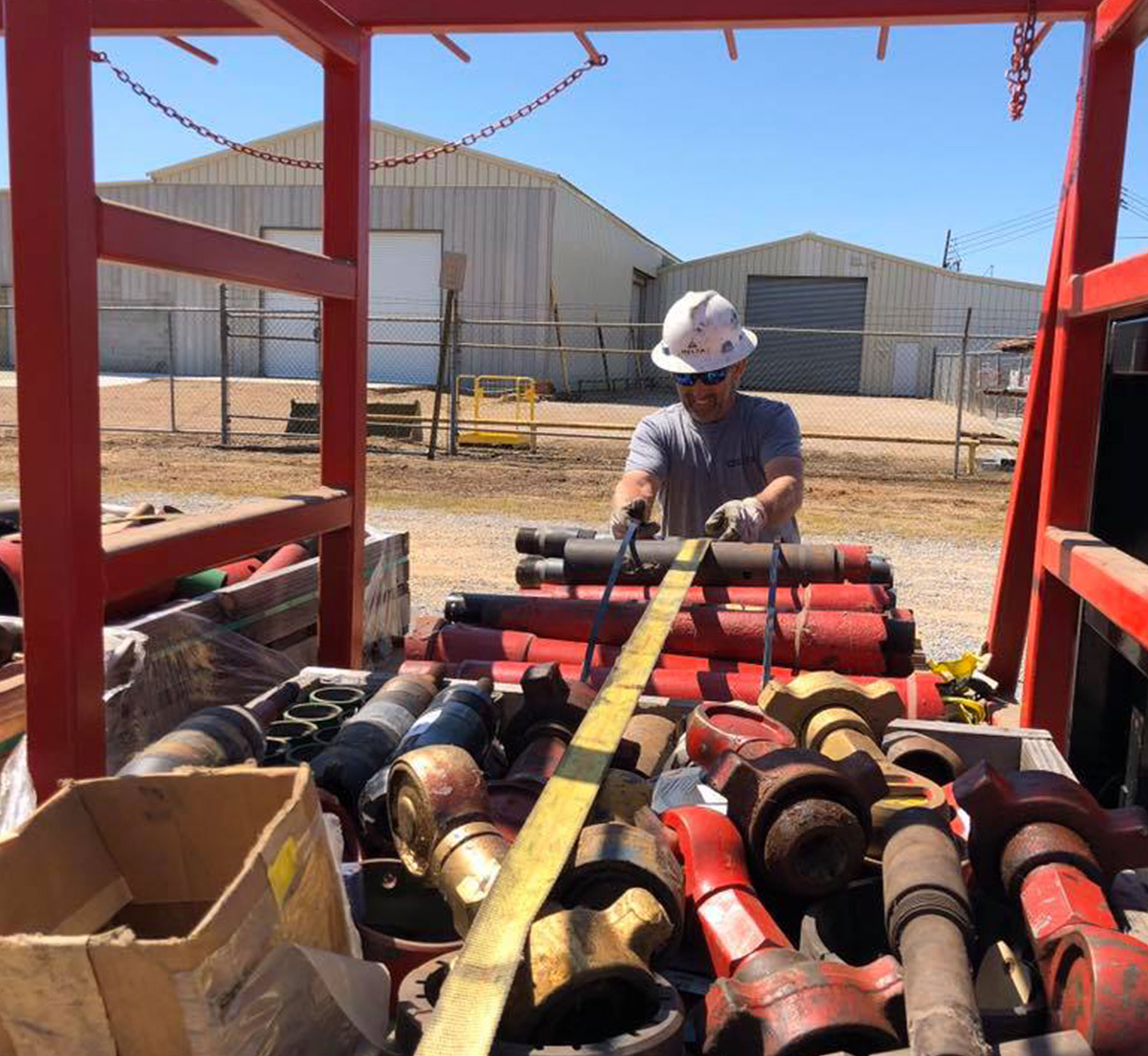
Cart Filled with Bridge Plugs

Cast Iron Bridge Plugs: Strength and Long-Term Reliability

Cast iron bridge plugs are known for their durability and ability to handle extreme well conditions. They are commonly used in applications where a permanent or long-term seal is required.

Key Characteristics:

  • High pressure tolerance (typically up to 10,000 psi or more)
  • Strong structural integrity for harsh environments
  • Suitable for high-temperature wells
  • Requires milling for removal

Best Applications:

  • Permanent well abandonment (P&A)
  • Squeeze cementing operations
  • High-pressure and high-temperature wells

Because of their robust design, cast iron plugs are often chosen when reliability and longevity are the top priorities. They are especially effective in wells where long-term zonal isolation is critical for safety and compliance.

Composite Bridge Plugs: Speed and Operational Efficiency

Composite bridge plugs are engineered for ease of removal and faster operations. Their lightweight materials allow for quick drill-out, making them ideal for temporary isolation.

Key Characteristics:

  • Fast drill-out (often completed in minutes)
  • Lightweight materials (fiberglass, resin, carbon fiber)
  • Reduced debris during removal
  • Higher upfront cost but lower operational cost over time

Best Applications:

  • Multi-stage hydraulic fracturing
  • Temporary zonal isolation
  • Horizontal well completions
  • Time-sensitive operations

Composite plugs are especially valuable in modern completion techniques where efficiency, reduced rig time, and faster turnaround are critical to overall project success.

Side-by-Side Comparison

Here’s a clear comparison to help you evaluate both options:

FeatureComposite Bridge PlugsCast Iron Bridge Plugs
Material
Fiberglass, resin, composites

Cast iron metal

Drill-Out Time
Very fast (minutes)

Slow (requires milling)

Debris
Lightweight, easy to circulate

Heavy metal cuttings

Pressure Rating
High (up to ~10,000–15,000 psi)

High (up to ~10,000 psi)

Temperature Resistance
Moderate (up to ~300°F)

Higher (up to ~400°F)

Cost
Higher upfront

Lower upfront

Best Use
Temporary isolation

Permanent isolation

This comparison highlights the core trade-off: efficiency vs durability, which is often the deciding factor in plug selection.

Key Benefits of Each Option

Composite Bridge Plug Benefits:

  • Faster operations and reduced rig time
  • Easier drill-out with standard bits
  • Ideal for multi-stage completions
  • Lower overall operational costs
  • Improved efficiency in high-volume projects
  • Reduces wear on drilling equipment during removal
  • Helps streamline completion timelines in complex wells

Cast Iron Bridge Plug Benefits:

  • Proven long-term sealing performance
  • Better for high-temperature environments
  • Stronger structural integrity
  • More cost-effective for permanent applications
  • Reliable in demanding well conditions
  • Provides consistent performance in high-pressure environments
  • Ideal for wells requiring extended isolation and durability

When Should You Choose Composite vs Cast Iron?

Choosing the right bridge plug depends on your operational priorities and well conditions.

Choose Composite Bridge Plugs If:

  • You need quick drill-out and minimal downtime
  • The operation involves multiple stages
  • Temporary isolation is required
  • Efficiency and speed are critical

Choose Cast Iron Bridge Plugs If:

  • You need a permanent or long-term seal
  • The well operates under high temperature or pressure
  • Durability is more important than speed
  • Milling operations are acceptable

In many cases, operators may even use both types within the same project, depending on the specific requirements of each stage.

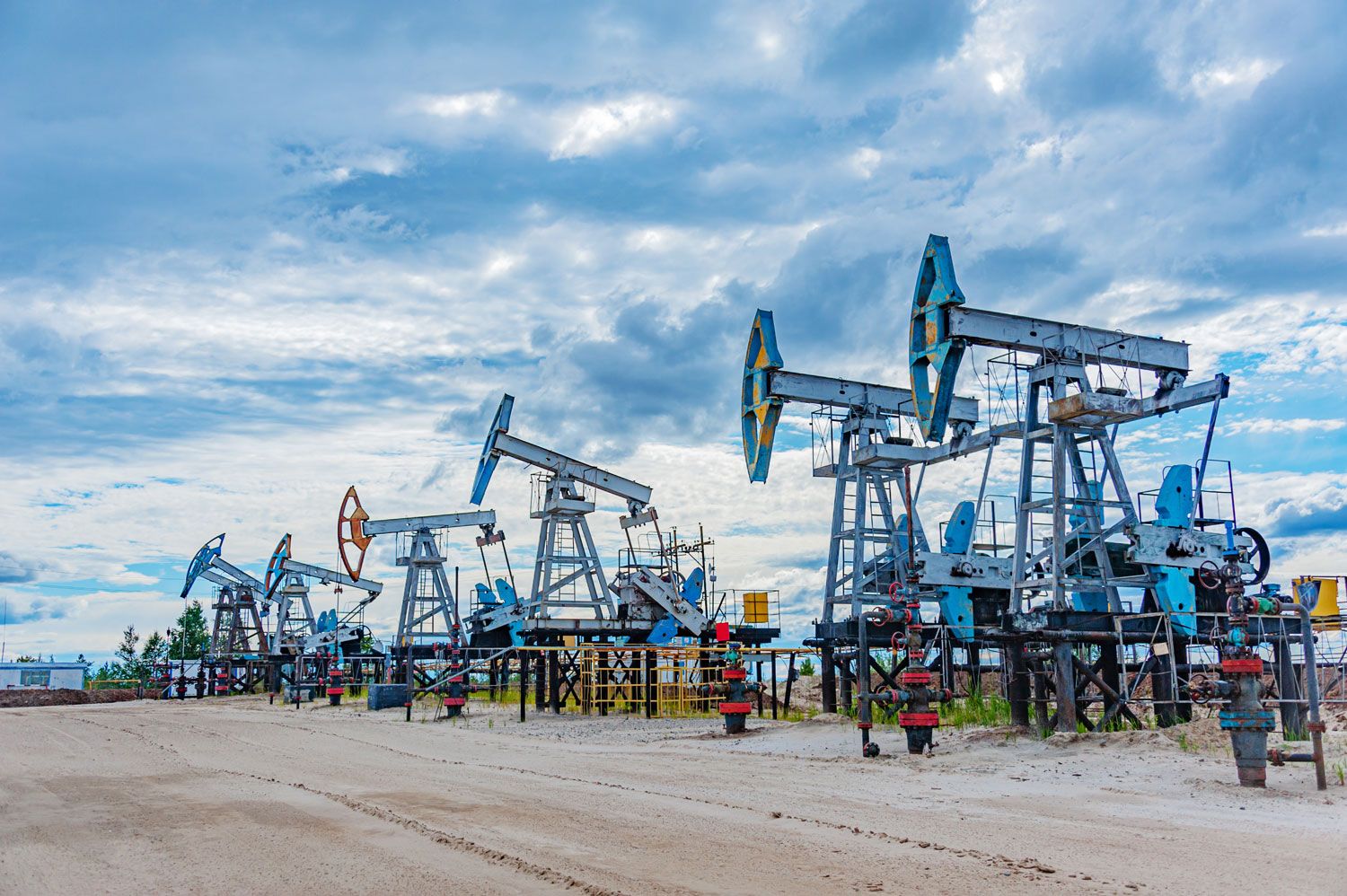
Oil Machine Rigs in a row

Why Material Selection Matters in Oilfield Operations

Selecting the right bridge plug can directly impact operational success. The wrong choice may lead to increased costs, delays, or complications during removal.

On the other hand, choosing the correct material ensures smoother workflows, improved safety, and better overall performance. Material selection should always align with well conditions, operational goals, and long-term project plans. It also influences equipment compatibility, efficiency during intervention, and the overall lifecycle cost of the well, making it a critical decision for operators.

Choosing the Right Bridge Plug for Your Operation

In modern oilfield operations, both composite and cast iron bridge plugs play essential roles. Composite plugs offer speed and efficiency, while cast iron plugs provide strength and long-term reliability. By understanding the differences between the two, operators can make informed decisions that align with their operational goals, whether that’s maximizing efficiency or ensuring permanent well integrity.

For reliable bridge plug solutions tailored to your well conditions, Delta Oil Tools offers both composite and cast iron bridge plugs designed for performance, durability, and efficiency. With a full range of service equipment and field expertise, our team helps ensure your operations run smoothly from completion to abandonment. Work with Delta Oil Tools for high-performance bridge plug solutions and expert support that keep your oilfield operations efficient, reliable, and on track.

Built to Perform When It Counts

Take advantage of our current specials to reduce risk, control costs, and keep your operations moving—backed by the reliability and expertise Delta Oil Tools brings to every job.