
The Engineer’s Guide to Selecting Squeeze Packers (Tension vs Compression)

Selecting the right squeeze packer is a critical decision in oilfield operations, especially when performing cementing, stimulation, or well intervention jobs. Among the most common options engineers evaluate are tension-set and compression-set squeeze packers—each designed to perform under specific well conditions.

While both types are used to isolate zones and control pressure, the way they are set—and how they behave under load—can significantly impact job success. Choosing the wrong type can lead to inefficient operations, sealing failure, or even costly workovers. We’ll break down how tension and compression squeeze packers work, compare their strengths, and help you determine which option is best for your well.
Understanding the Role of Squeeze Packers

Squeeze packers are a type of service packer used to isolate a section of the wellbore so fluids—such as cement or treatment chemicals—can be injected into a specific zone. This process is commonly referred to as squeeze cementing, which is used for pressure isolation and well repair.

These packers are essential for:

  • Zonal isolation during cementing operations
  • Controlling fluid placement in targeted intervals
  • Repairing casing leaks or formation issues
  • Supporting stimulation treatments

At their core, squeeze packers ensure that pressure and fluids are directed exactly where they are needed—no more, no less.

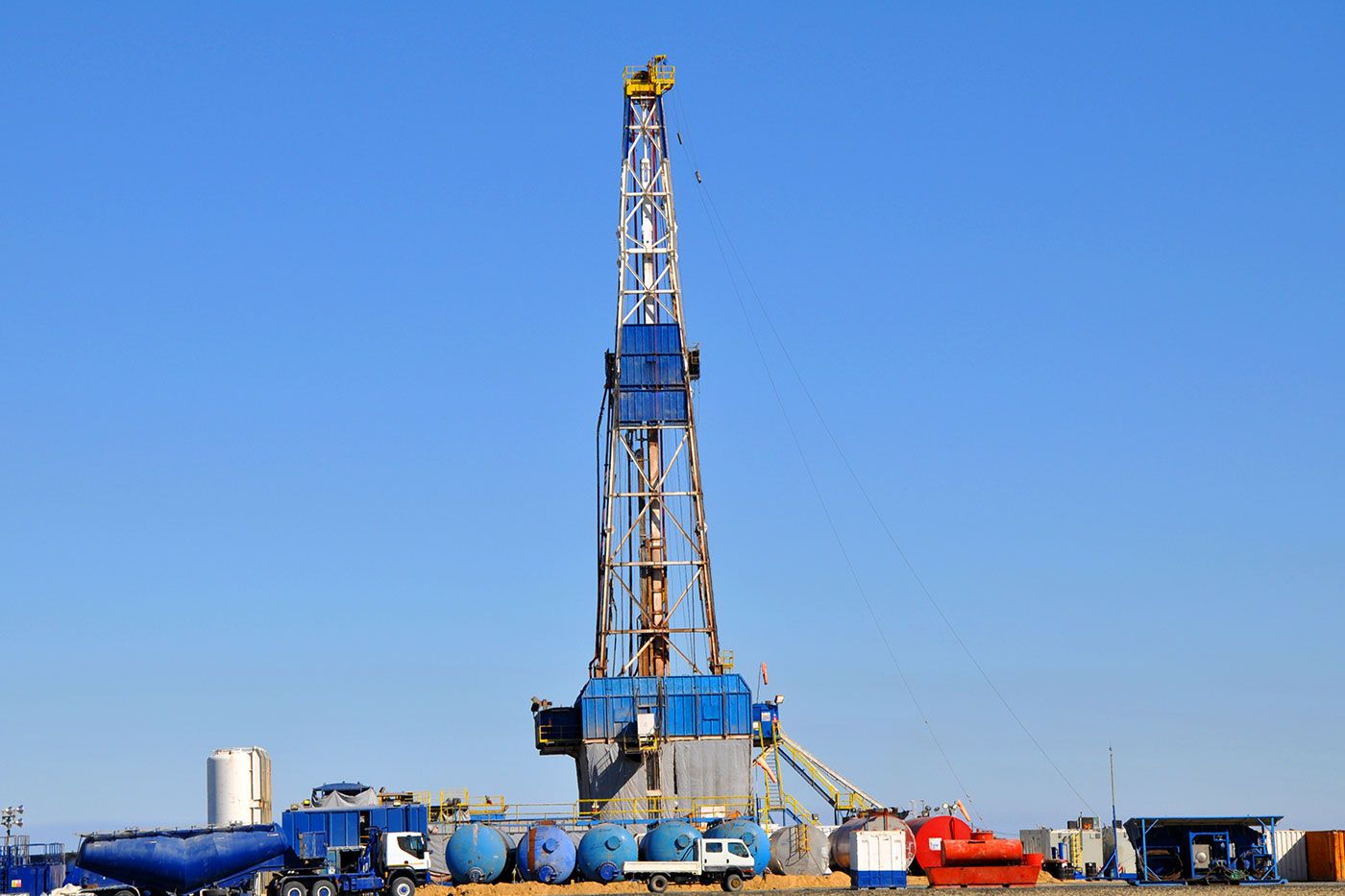
Oil Machine Rig

How Squeeze Packers Are Set

Mechanical squeeze packers are typically set using tubing movement, which applies force to expand the sealing element and anchor the tool in place.

There are two primary methods:

  • Compression (slacking off weight)
  • Tension (pulling up on the tubing)

Both methods activate slips and sealing elements, but the direction of force determines how the packer behaves under pressure.

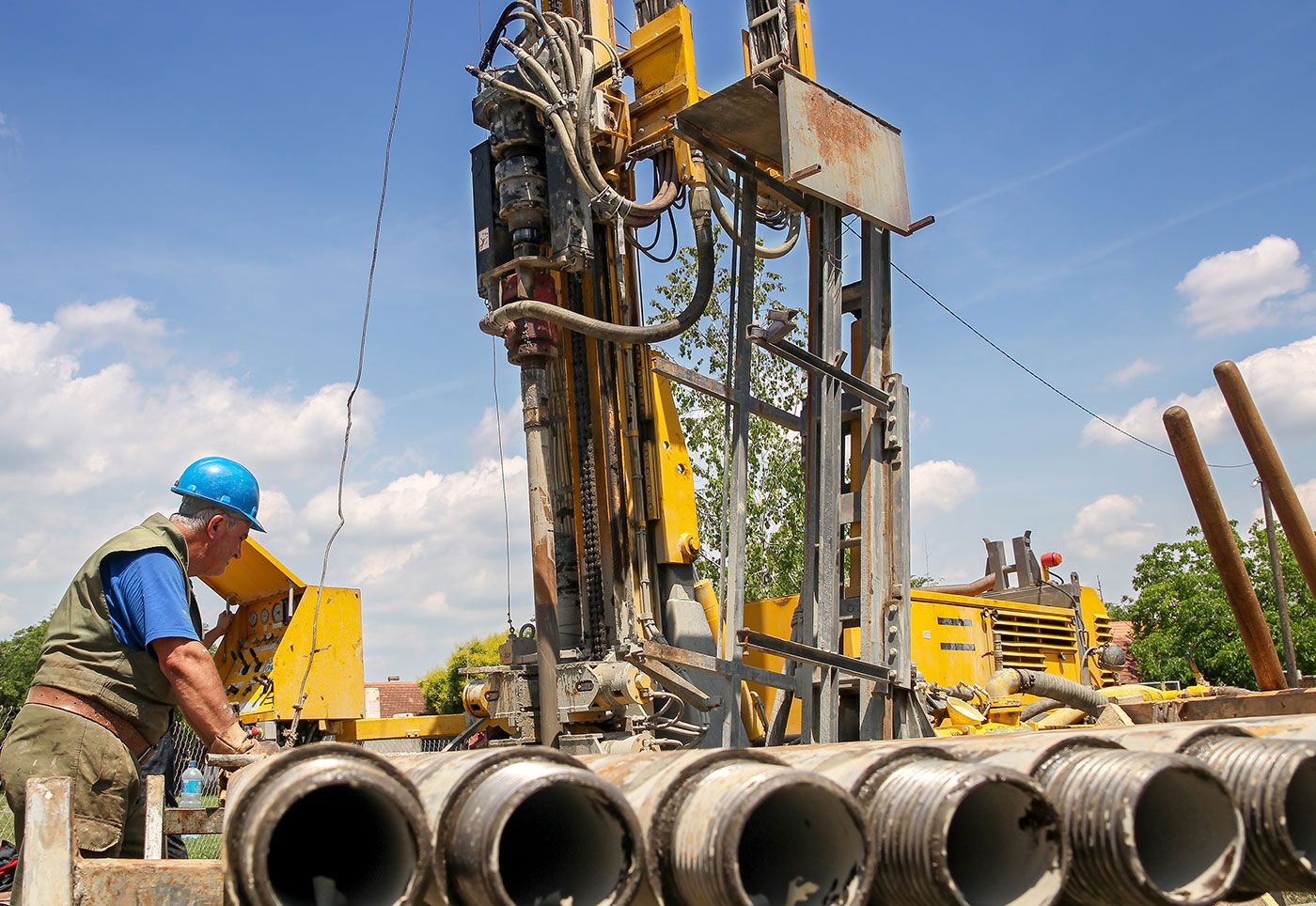
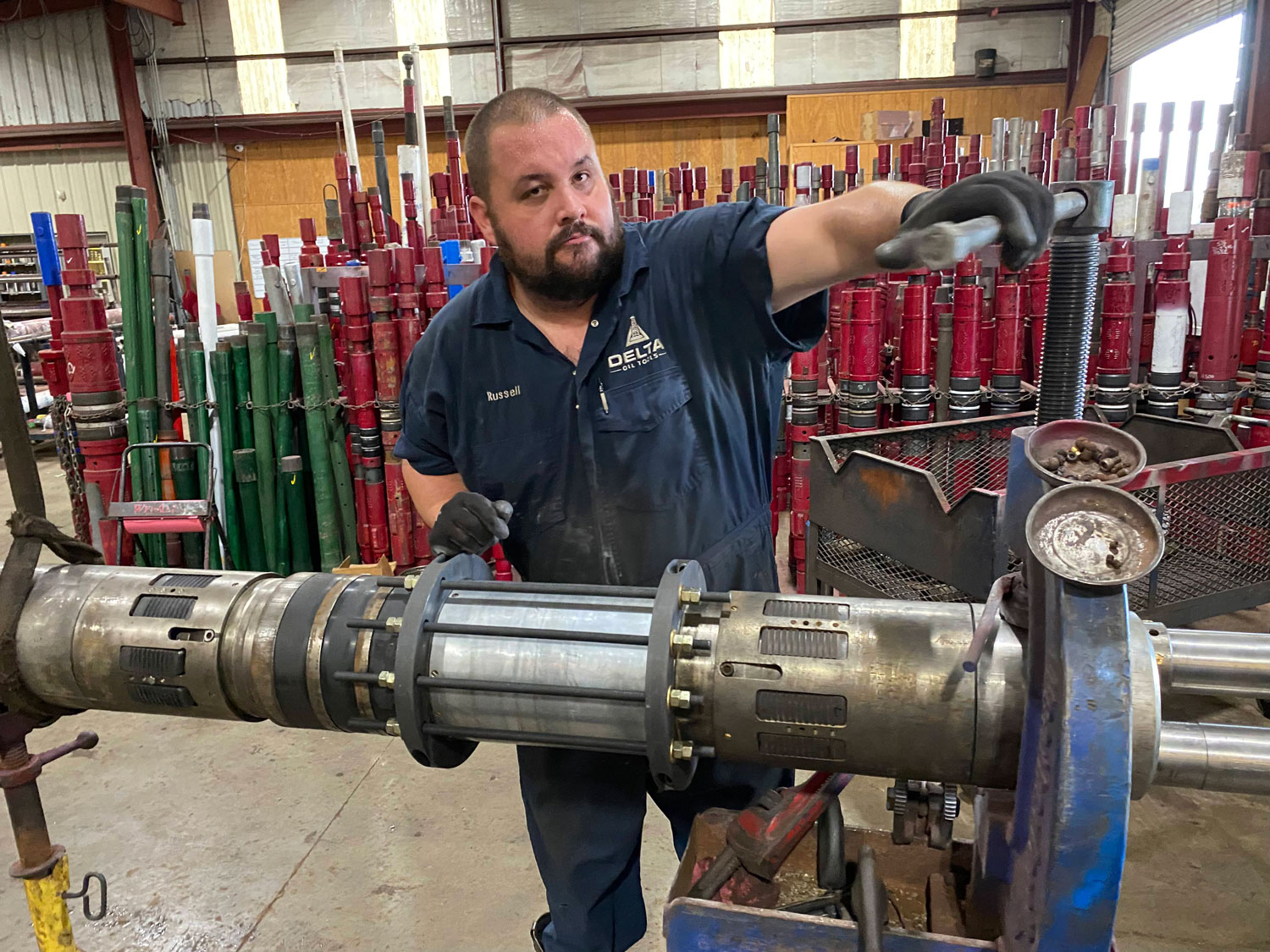
Delta Oil Tools Fixing Squeeze Packer

Tension Squeeze Packers: Controlled Upward Force

Tension-set squeeze packers are activated by pulling upward on the tubing string. This tension creates the force needed to set the slips and compress the sealing element against the casing.

How They Work:

  • The packer is run to depth
  • Upward tension is applied to the tubing
  • Slips engage and hold the packer in place
  • The sealing element expands to create isolation

These packers are especially useful in situations where tubing weight is limited, making compression difficult.

Key Advantages:

  • Ideal for shallow wells or low-weight tubing conditions
  • Effective in wells with pressure from below
  • Easier to set when downward force is restricted
  • Suitable for stimulation and restimulation operations

Limitations:

  • Less effective in high compression environments
  • Can be affected by tubing expansion or temperature changes
  • Requires careful load management to maintain seal integrity

Compression Squeeze Packers: Downward Force and Stability

Compression-set squeeze packers are activated by applying downward force (tubing weight) onto the packer. This compresses the sealing element and locks the slips into the casing.

How They Work:

  • The packer is positioned at depth
  • Tubing weight is applied downward
  • Slips anchor into the casing
  • The sealing element expands under compression

Compression packers are widely used because they provide strong anchoring and stability, particularly in producing wells.

Key Advantages:

  • Strong sealing in high-pressure environments
  • Reliable in vertical wells with sufficient tubing weight
  • Easier to release and retrieve in many cases
  • Effective when pressure above the packer is greater than below

Limitations:

  • Requires sufficient tubing weight to set properly
  • Less effective in deviated or horizontal wells
  • Can be impacted by tubing buckling under high compression

Side-by-Side Comparison: Tension vs Compression Packers

Here’s a practical comparison engineers can use when selecting between the two:

FeatureTension Squeeze PackersCompression Squeeze Packers
Setting Method
Pulling upward (tension)

Applying downward weight

Best Well Type
Shallow or low-weight wells

Vertical wells with sufficient weight

Pressure Suitability
Pressure from below

Pressure from above

Tubing Requirement
Minimal weight needed

Requires tubing weight

Stability
Moderate

High

Ease of Retrieval
Moderate

Generally easier

Ideal Applications
Stimulation, restimulation

Cementing, production wells

This comparison highlights a key principle: the direction of force matters just as much as the pressure conditions in the well.

Engineering Considerations for Proper Selection

Choosing between tension and compression packers is not just about preference—it requires evaluating several technical factors.

Tubing Forces and Load Conditions

Packers are directly influenced by axial forces applied through the tubing. Engineers must account for:

  • Tubing weight
  • Pressure differentials
  • Thermal expansion

Both tension and compression loads can affect packer performance and sealing reliability.

Pressure Direction (Above vs Below)

  • Compression packers perform best when pressure is higher above the packer
  • Tension packers are better suited when pressure is higher below

Understanding pressure distribution is critical to maintaining seal integrity.

Well Geometry and Deviation

  • Vertical wells: compression packers are often preferred
  • Deviated or horizontal wells: tension packers may be more practical

Tubing movement limitations can directly impact setting success.

Temperature and Expansion Effects

Temperature changes can cause tubing to expand or contract, altering the forces acting on the packer. This can:

  • Increase tension unexpectedly
  • Reduce compression force
  • Affect long-term sealing performance

Type of Operation

Different operations call for different packer behaviors:

Operation TypePreferred Packer Type
Squeeze cementing
Compression or tension
Acid stimulation
Tension
Well testing
Either (depending on pressure)
Remedial work
Often tension
Oil Machine Rig

Key Benefits of Selecting the Right Packer

Choosing the correct squeeze packer delivers measurable operational advantages:

  • Improved zonal isolation and treatment accuracy
  • Reduced risk of fluid migration between zones
  • Greater control over pressure and injection
  • Lower operational costs due to fewer failures
  • Enhanced safety during high-pressure operations

In contrast, the wrong choice can lead to poor sealing, inefficient treatments, or even tool failure.

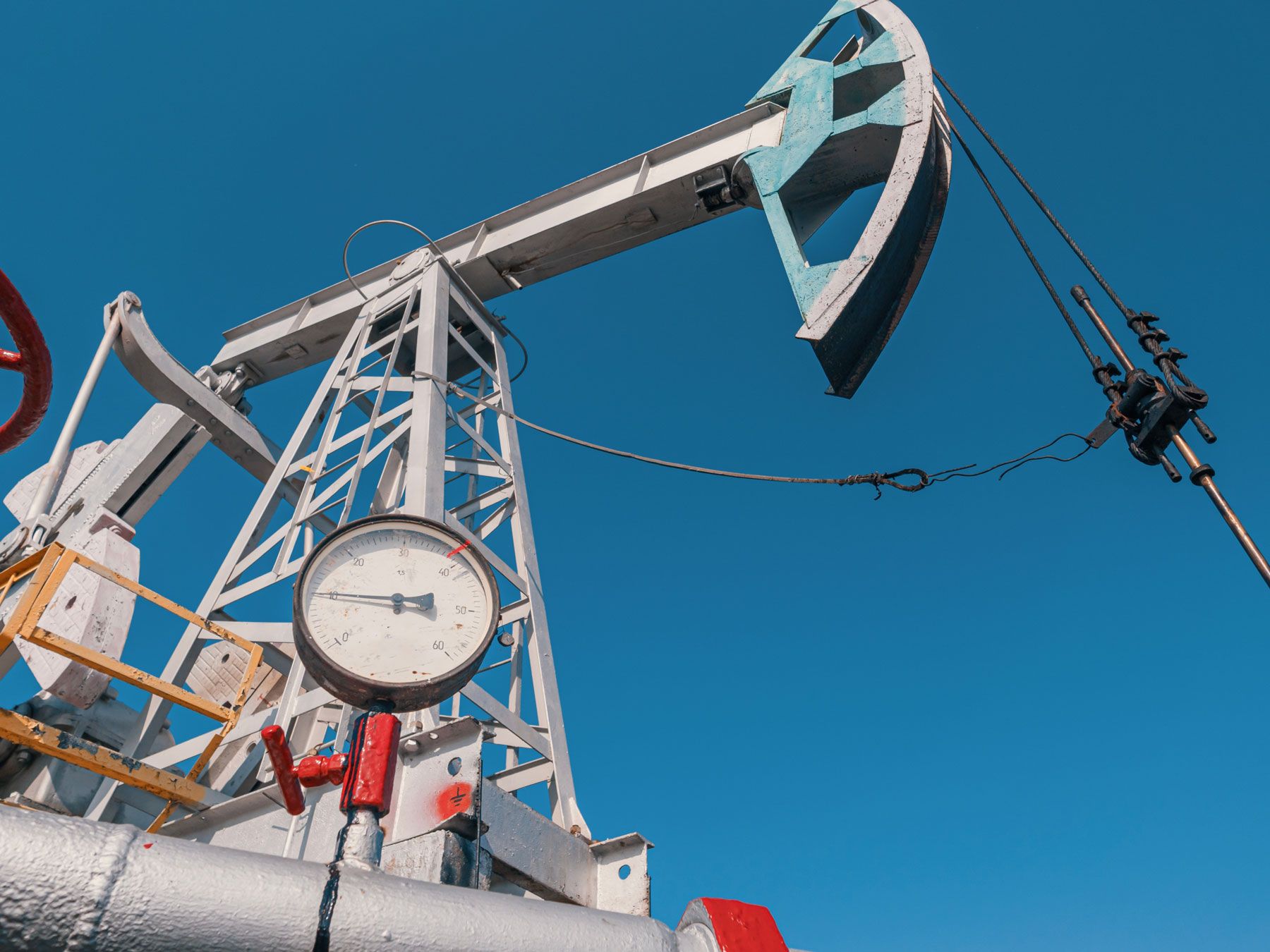
Engineer Watching Over Oil Rig Machine Operations

Common Mistakes Engineers Should Avoid

Even experienced engineers can encounter issues when selecting packers. Here are a few common pitfalls:

  • Ignoring tubing movement effects (temperature and pressure changes)
  • Overlooking well deviation when selecting compression packers
  • Underestimating required setting force
  • Choosing based on cost rather than application

Avoiding these mistakes can significantly improve operational success rates.

Oil Machine Rig

Why Tension vs Compression Matters in Modern Oilfields

As wells become more complex—especially with horizontal drilling and multi-stage completions—the importance of proper packer selection continues to grow.

Modern operations demand:

  • Precise zonal isolation
  • Adaptability to varying well conditions
  • Reliable performance under changing loads

Tension and compression packers each serve a purpose, and understanding their differences allows engineers to optimize performance across a wide range of applications.

Making the Right Choice for Your Well

Selecting between tension and compression squeeze packers ultimately comes down to understanding your well conditions, pressure environment, and operational goals. There is no one-size-fits-all solution—only the right tool for the right application. By carefully evaluating tubing forces, pressure direction, and well geometry, engineers can ensure optimal packer performance and successful operations.

For tailored squeeze packer solutions backed by field expertise, Delta Oil Tools offers both tension and compression squeeze packers engineered for reliability, efficiency, and performance in demanding oilfield environments. Our equipment and service capabilities help operators achieve precise zonal isolation, reduce downtime, and maximize operational success across a wide range of applications.

Contact us to learn more about Delta Oil Tools’ tension and compression squeeze packers and find the right solution for your well.

Built to Perform When It Counts

Take advantage of our current specials to reduce risk, control costs, and keep your operations moving—backed by the reliability and expertise Delta Oil Tools brings to every job.