How Do Inflatable Packers Work?

In oil and gas operations, controlling pressure, isolating zones, and maintaining well integrity are critical for safe and efficient production. One of the most versatile tools used to achieve this is the inflatable packer.

If you’ve ever wondered how inflatable packers work, the concept is straightforward but highly effective. These tools use pressure to expand and create a seal inside a well, allowing operators to isolate specific sections and perform targeted operations.
The Basic Concept: Sealing a Well from the Inside

An inflatable packer is a downhole tool designed to seal off sections of a wellbore. It features an expandable rubber (elastomeric) sleeve that inflates when pressure is applied, pressing against the casing or formation to create a tight seal.

This sealing process—often called “zonal isolation”—prevents fluids from moving between different sections of the well. It allows operators to control pressure, direct flow, and perform specific tasks in targeted zones.

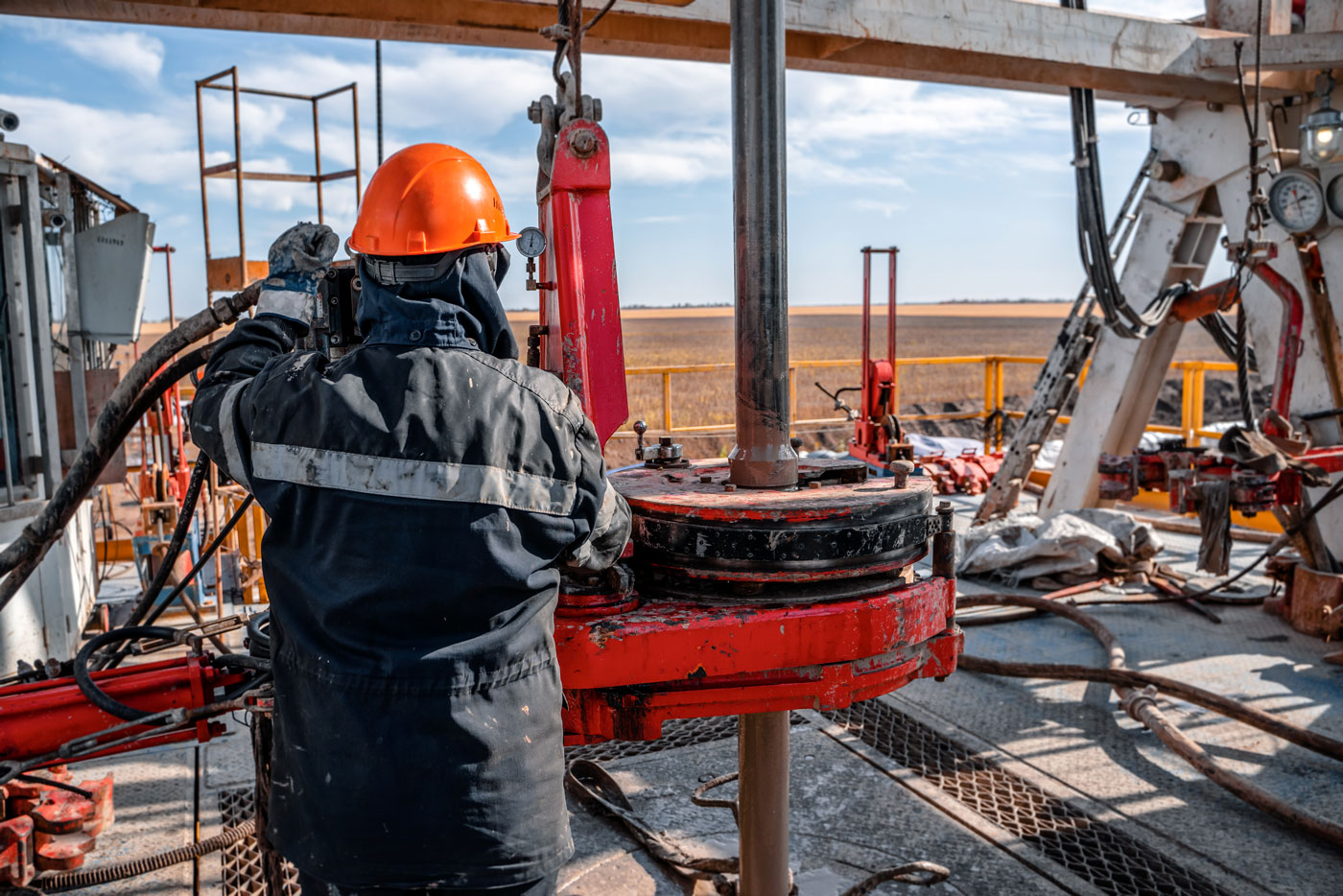
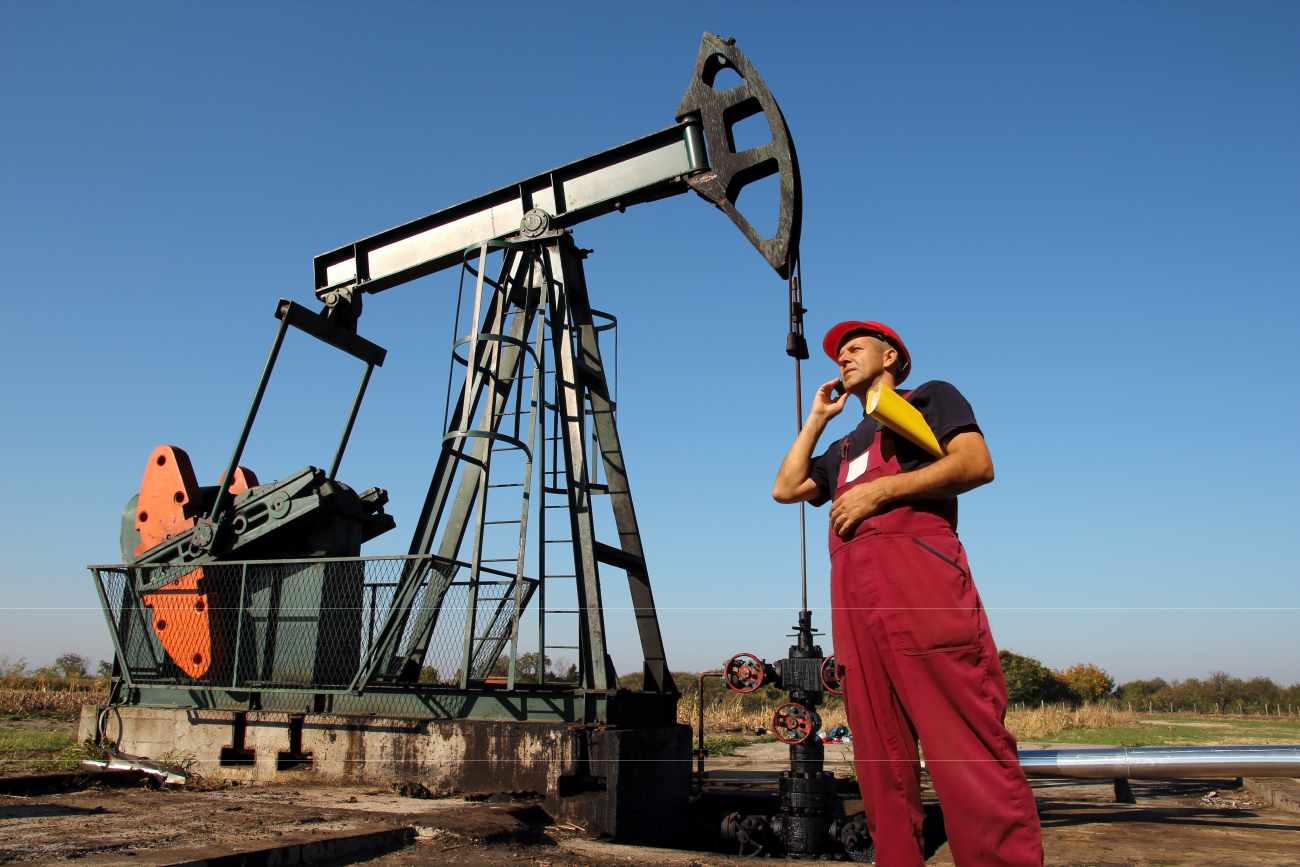
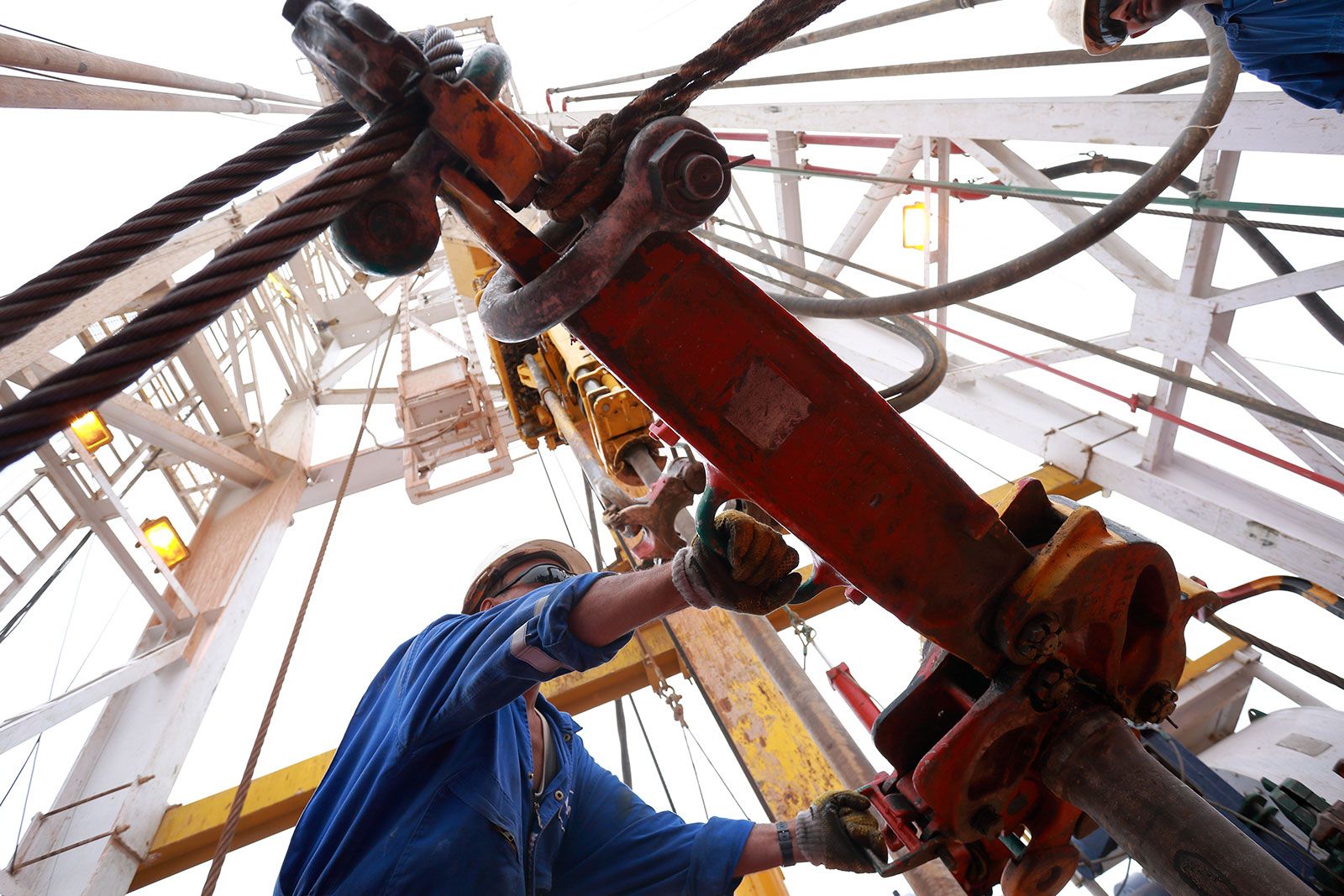
Worker Using Oil Rig Machine

Where Can You Find Oilfield Equipment Services?

Oilfield equipment services are typically provided by specialized companies with expertise in both tools and field operations. These providers operate in key oil-producing regions and offer both on-site and logistical support.

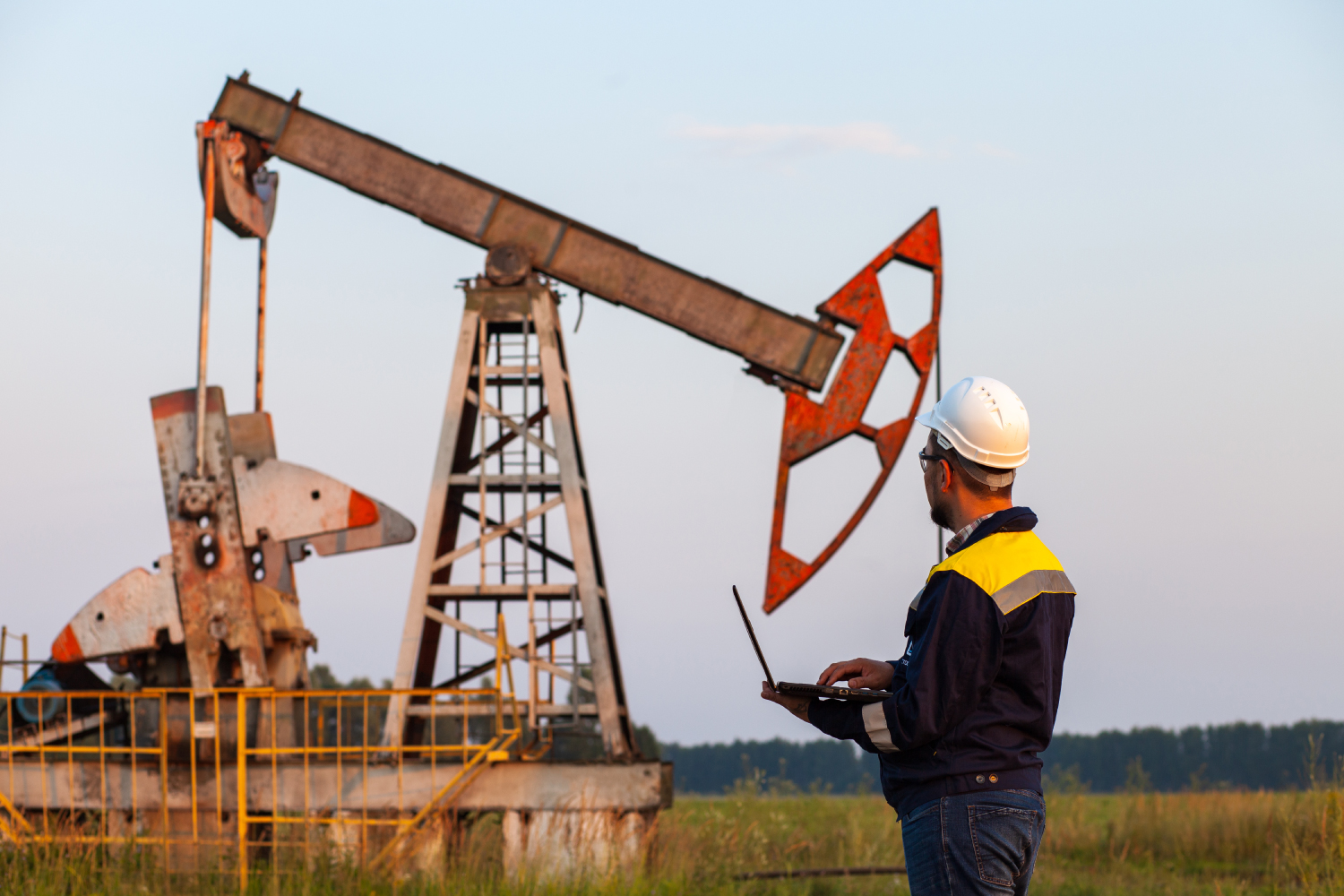
Oil Rig Machine

Step-by-Step: How Inflatable Packers Work

Understanding the process step-by-step makes it easier to see why inflatable packers are so effective.

Deployment into the Well

The packer is lowered into the wellbore using tubing, wireline, or coiled tubing until it reaches the desired depth.

Positioning in the Target Zone

Once in place, the packer is aligned with the section of the well that needs to be isolated.

Inflation Process

Fluid or gas—such as water, oil, or nitrogen—is pumped into the packer. This pressurizes the internal chamber and causes the rubber element to expand outward.

Sealing the Wellbore

As the packer expands, it presses tightly against the well wall or casing, forming a secure seal that blocks fluid movement.

Performing the Operation

With the zone isolated, operators can perform tasks such as testing, cementing, or stimulation without affecting other sections.

Deflation and Retrieval

After the job is complete, the pressure is released, the packer deflates, and it can be removed or repositioned.

    Key Functions of Inflatable Packers

    Inflatable packers are widely used because of their flexibility and ability to adapt to different well conditions.

    Common Functions Include:
    • Isolating specific zones within a well
    • Controlling fluid movement and pressure
    • Supporting cementing and sealing operations
    • Enabling testing of different formations
    • Assisting in stimulation processes like acidizing or fracturing

    Their ability to expand significantly makes them especially useful in wells with irregular shapes or varying diameters.

    What Makes Inflatable Packers Unique?

    Unlike mechanical packers, inflatable packers rely on internal pressure rather than mechanical force to create a seal. This gives them several advantages in the field.

    Key Advantages:
    • Can conform to irregular wellbore shapes
    • Expand to larger diameters after passing through restrictions
    • Provide effective sealing in challenging conditions
    • Allow for temporary or retrievable applications

    These features make them ideal for complex wells where traditional tools may not perform as effectively.

    Inflatable Packers in Action

    Inflatable packers are used across multiple stages of oilfield operations, especially in well completion and intervention.

    Typical Applications:
    • Squeeze cementing
    • Acid jobs
    • Hydraulic fracturing
    • Sand control and gravel packing
    • Remedial cementing
    • Well testing and evaluation

    Because they can isolate precise sections of a well, they allow for more controlled and efficient operations. This precision helps reduce operational risks, improve treatment accuracy, and enhance overall well performance, making inflatable packers a valuable tool in both routine maintenance and complex downhole operations.

    Components of an Inflatable Packer (Table)

    To better understand how they work, it helps to look at their main components:

    ComponentFunction
    Mandrel (central body)
    Provides structure and fluid pathways
    Inflatable element
    Expands to create the seal
    Reinforcement layer
    Adds strength and durability
    Valves and ports
    Control inflation and deflation

    These components work together to ensure the packer performs reliably under high-pressure conditions.

    Why Inflatable Packers Are Critical in Oilfield Operations

    Oil and gas wells operate under extreme conditions, and even small inefficiencies can lead to major problems. Inflatable packers help prevent these issues by ensuring proper isolation and control.

    Benefits in the Field:

    Improves well integrity and stability

    Reduces risk of fluid migration between zones

    Enhances efficiency of completion and intervention operations

    Minimizes downtime and operational delays

    Supports safe and controlled pressure management

      By providing precise control over downhole conditions, inflatable packers play a key role in maintaining productive and safe operations.

      Comparing Inflatable Packers to Other Packers

      Here’s how inflatable packers differ from other common packer types:

      FeatureInflatable PackersMechanical Packers
      Setting Method
      Pressure-based inflation

      Mechanical force

      Flexibility
      High (adapts to irregular wells)

      Limited

      Expansion Capability
      Can expand significantly

      Fixed expansion range

      Retrieval
      Often retrievable

      May be permanent

      Best Use Case
      Complex or irregular wells

      Standard well conditions

      This comparison highlights why inflatable packers are often chosen for specialized or challenging environments.

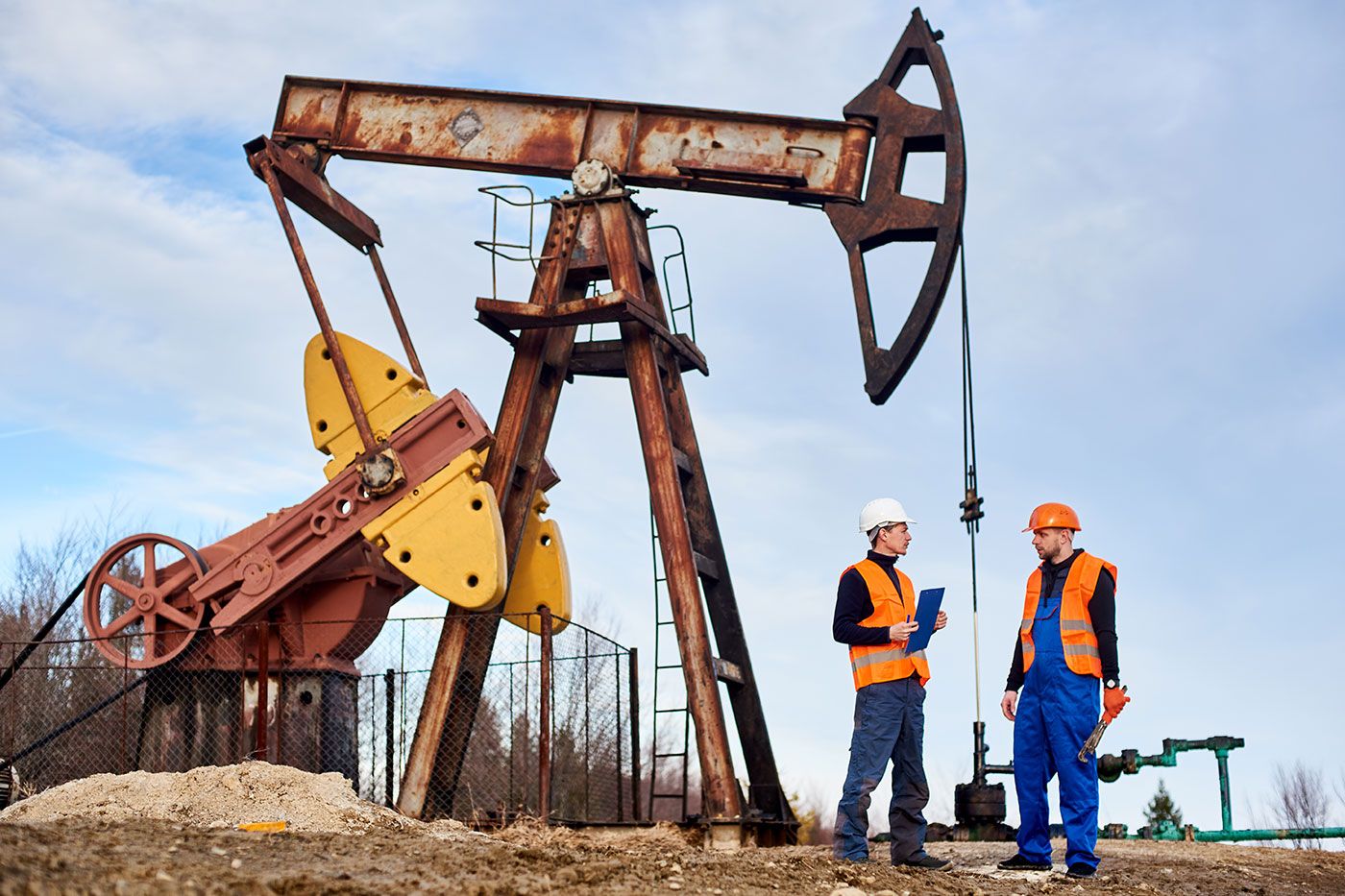
      Two Employees Talking Near Oil Rig Machine

      The Role of Inflatable Packers in Modern Oilfields

      As oilfield operations become more complex, the need for adaptable and reliable tools continues to grow. Inflatable packers meet this demand by offering flexibility, precision, and performance in a wide range of applications.

      They are especially valuable in:

      • High-pressure environments
      • Wells with varying diameters
      • Operations requiring temporary isolation
      • Advanced completion and intervention strategies

      Their versatility makes them a key component in modern oilfield toolkits.

      Reliable Inflatable Packers for Demanding Operations

      Understanding how inflatable packers work highlights their importance in maintaining control, efficiency, and safety in oilfield operations. By using pressure to create a secure seal, these tools enable precise isolation and support a wide range of critical well processes.

      For operators seeking dependable inflatable packers and completion solutions, Delta Oil Tools provides high-performance equipment designed for real-world conditions. With proven downhole tools, rigorous testing processes, and experienced field crews, Delta supports complex operations with reliable isolation, reduced downtime, and consistent results in demanding environments. Contact Delta Oil Tools today to get expert guidance and reliable inflatable packer solutions tailored to your oilfield operations.

      Built to Perform When It Counts

      Take advantage of our current specials to reduce risk, control costs, and keep your operations moving—backed by the reliability and expertise Delta Oil Tools brings to every job.