
How to Calculate the Setting Depth for a Liner Hanger

Determining the correct setting depth for a liner hanger is one of the most critical steps in well design and completion. A miscalculation can lead to poor cementing, inadequate zonal isolation, or even structural failure of the liner system.
For engineers, calculating liner hanger setting depth is about understanding well geometry, casing design, load distribution, and operational objectives. Every parameter must align to ensure the liner is properly supported and positioned for long-term performance.
In this guide, we’ll break down how to calculate liner hanger setting depth, the formulas and inputs involved, and the key factors engineers must consider in real-world oilfield operations.
What Is Liner Hanger Setting Depth?

The liner hanger setting depth refers to the measured depth at which the liner hanger is installed inside the previous casing string. This is typically a predetermined location above the casing shoe, where the liner will be suspended and supported.

A liner hanger functions to:

  • Support the weight of the liner string
  • Anchor the liner inside the casing
  • Provide a sealing interface for cementing and production

In most designs, liner hangers are set approximately 200–300 feet above the previous casing shoe, creating a section known as the liner lap. This overlap ensures proper load transfer and effective cement bonding.

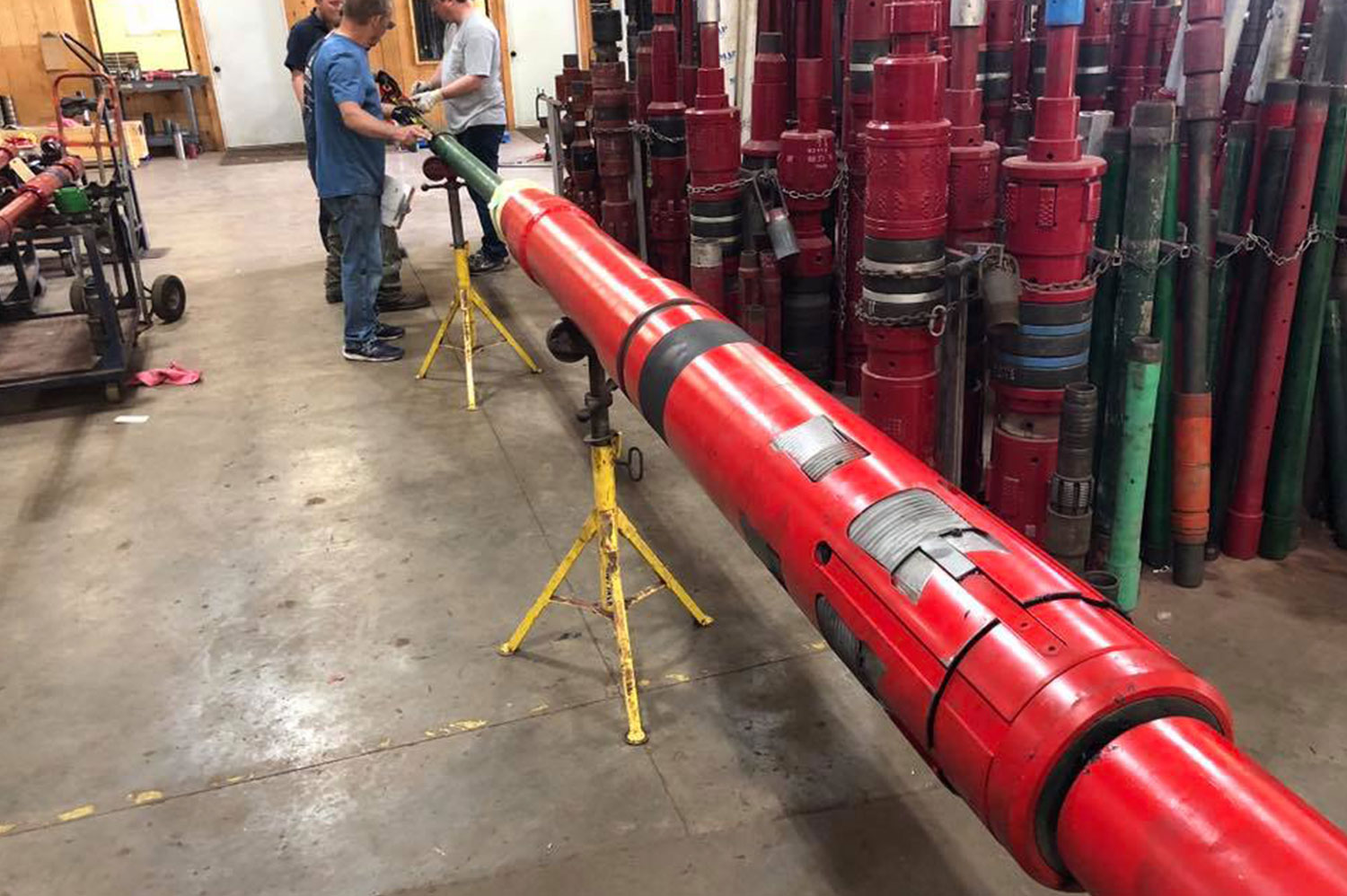
Group of Delta Oil Tools Employees Looking Over Liner Hanger

The Core Concept: Depth Calculation from Known Reference Points

Liner hanger depth is not calculated in isolation—it is derived from known reference points within the well.

There are two key reference depths:

  • Total Depth (TD) of the well
  • Liner shoe depth (bottom of the liner)

From these, engineers work upward to determine the liner hanger location.

A typical liner tally works by:

  • Starting at the liner shoe (fixed point)
  • Subtracting joint lengths moving upward
  • Determining the hanger and top-of-liner depth
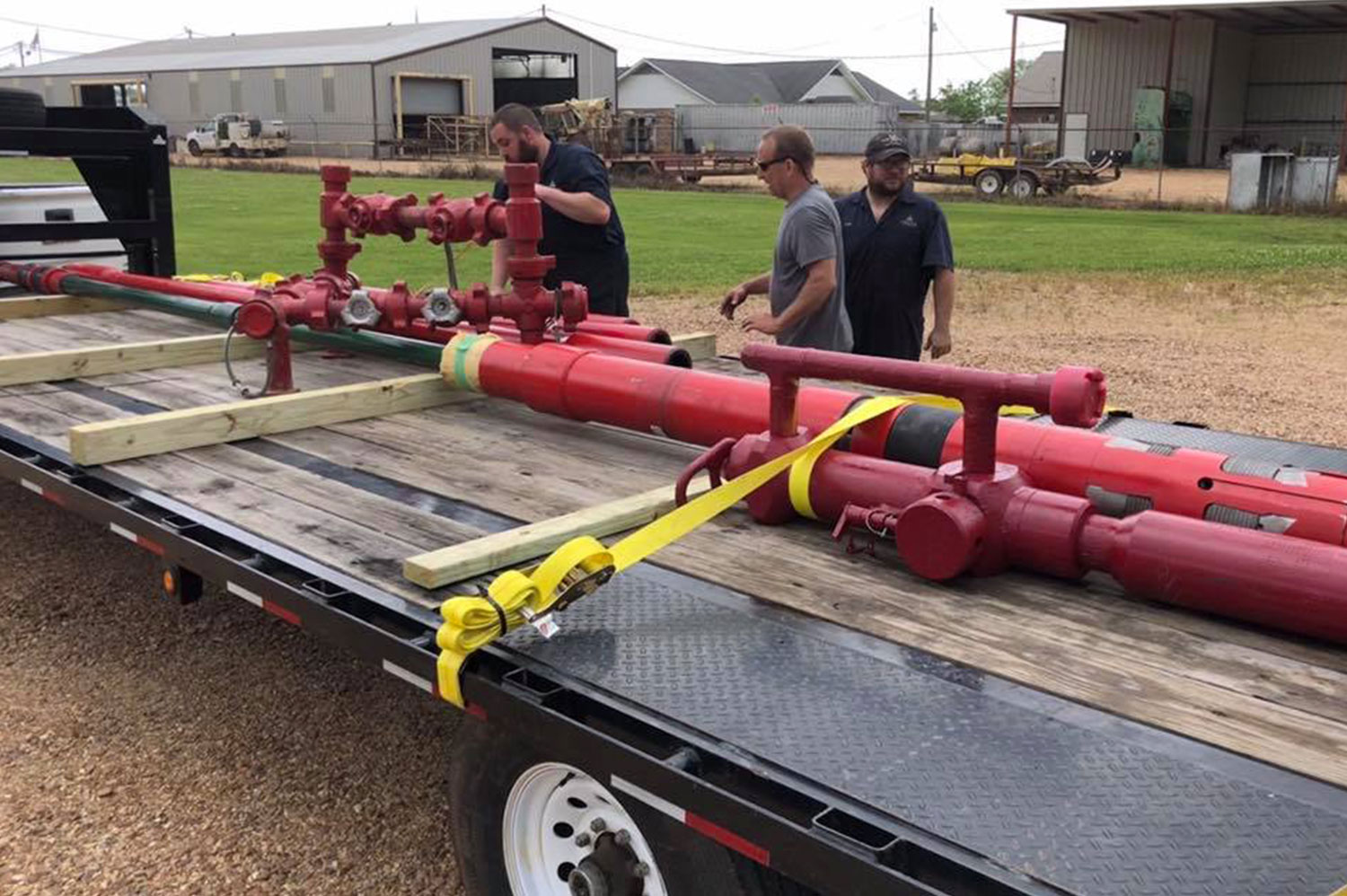
Liner Hangers On Truck

Formula for Liner Hanger Setting Depth

Basic Formula

At its simplest, liner hanger setting depth can be calculated using:

Liner Hanger Depth =
Liner Shoe Depth – Liner Length

Where:

  • Liner Shoe Depth = Total depth minus any rathole or extra drilled depth
  • Liner Length = Sum of all casing joints below the hanger

Expanded Calculation Approach

In practice, engineers refine this formula further:

Setting Depth =
TD – Rathole – Total Liner String Length

Additional adjustments may include:

  • Thread make-up losses
  • Connection lengths
  • Tool spacing (packer, float collar, etc.)

These small corrections are critical for accuracy in real-world operations.

Step-by-Step: How Engineers Calculate Setting Depth

Compression-set squeeze packers are activated by applying downward force (tubing weight) onto the packer. This compresses the sealing element and locks the slips into the casing.

Step

Define Total Depth (TD)

Start with the final drilled depth of the well.

Example:

  • TD = 10,000 ft
Step

Account for Rathole or Extra Depth

A rathole (typically 5–10 ft or more) is drilled below the target depth.

Example:

  • Rathole = 10 ft
  • Liner shoe depth = 9,990 ft
Step

Determine Desired Liner Coverage

The liner must cover the open hole and extend into the previous casing for overlap.

This includes:

  • Open hole section
  • Required liner lap (typically 200–300 ft)
Step

Calculate Total Liner Length

Add up:

  • All casing joints
  • Tool lengths (packer, hanger, accessories)

This gives the full liner string length.

Step

Calculate Hanger Setting Depth

Subtract liner length from shoe depth:

Hanger Depth = Shoe Depth – Liner Length

This determines where the hanger will land inside the casing.

Step

Validate with Tally Sheet

Engineers verify calculations using a liner tally spreadsheet, which tracks:

  • Joint lengths
  • Running order
  • Final hanger position

Key Factors That Influence Setting Depth

Liner Lap Requirements

The overlap between liner and casing must be sufficient to:

  • Transfer load
  • Ensure cement integrity
  • Prevent fluid migration

Typical lap:

  • 200–300 ft (industry standard)

Formation Conditions

Geology plays a major role in setting depth selection.

Engineers must consider:

  • Formation strength
  • Pressure zones
  • Fracture gradients

Improper placement can compromise well integrity.

Load Capacity of the Liner Hanger

The hanger must support the entire liner string weight.

This depends on:

  • Liner weight
  • Slip design
  • Contact force with casing

Insufficient load capacity can lead to hanger failure.

Cementing Strategy

The hanger must be positioned to allow:

  • Proper cement placement
  • Effective zonal isolation
  • Adequate circulation

Poor placement can lead to channeling or incomplete cement jobs.

Well Trajectory (Vertical vs Horizontal)

In deviated or horizontal wells:

  • Friction increases
  • String movement is limited
  • Depth accuracy becomes more critical

Advanced planning tools may be required to ensure the liner reaches target depth.

Liner Hanger Depth Calculation Example

Here’s a simplified example:

ParameterValue
Total Depth (TD)
10,000 ft
Rathole
10 ft
Shoe Depth
9,990 ft
Liner Length
2,000 ft
Liner Hanger Depth
7,990 ft

This means the liner hanger will be set at 7,990 ft, ensuring proper overlap with the casing above.

Engineer Calculating Liner Hanger Depth

Common Mistakes in Setting Depth Calculations

Even experienced engineers can encounter issues when calculating liner hanger depth.

Common Pitfalls:

  • Ignoring thread make-up losses
  • Miscalculating joint lengths
  • Insufficient liner lap
  • Failing to account for tool spacing
  • Overlooking well deviation effects

These errors can lead to:

  • Improper hanger placement
  • Cementing failures
  • Increased operational costs
Engineer Holding Calculator

Best Practices for Accurate Calculations

To ensure reliable results, engineers should follow these best practices:

  • Use verified joint measurements (laser or field-checked)
  • Double-check tally spreadsheets
  • Include all tool components in calculations
  • Validate with simulation or planning software
  • Cross-check with drilling and completion teams

Accuracy at this stage directly impacts the success of the entire operation.

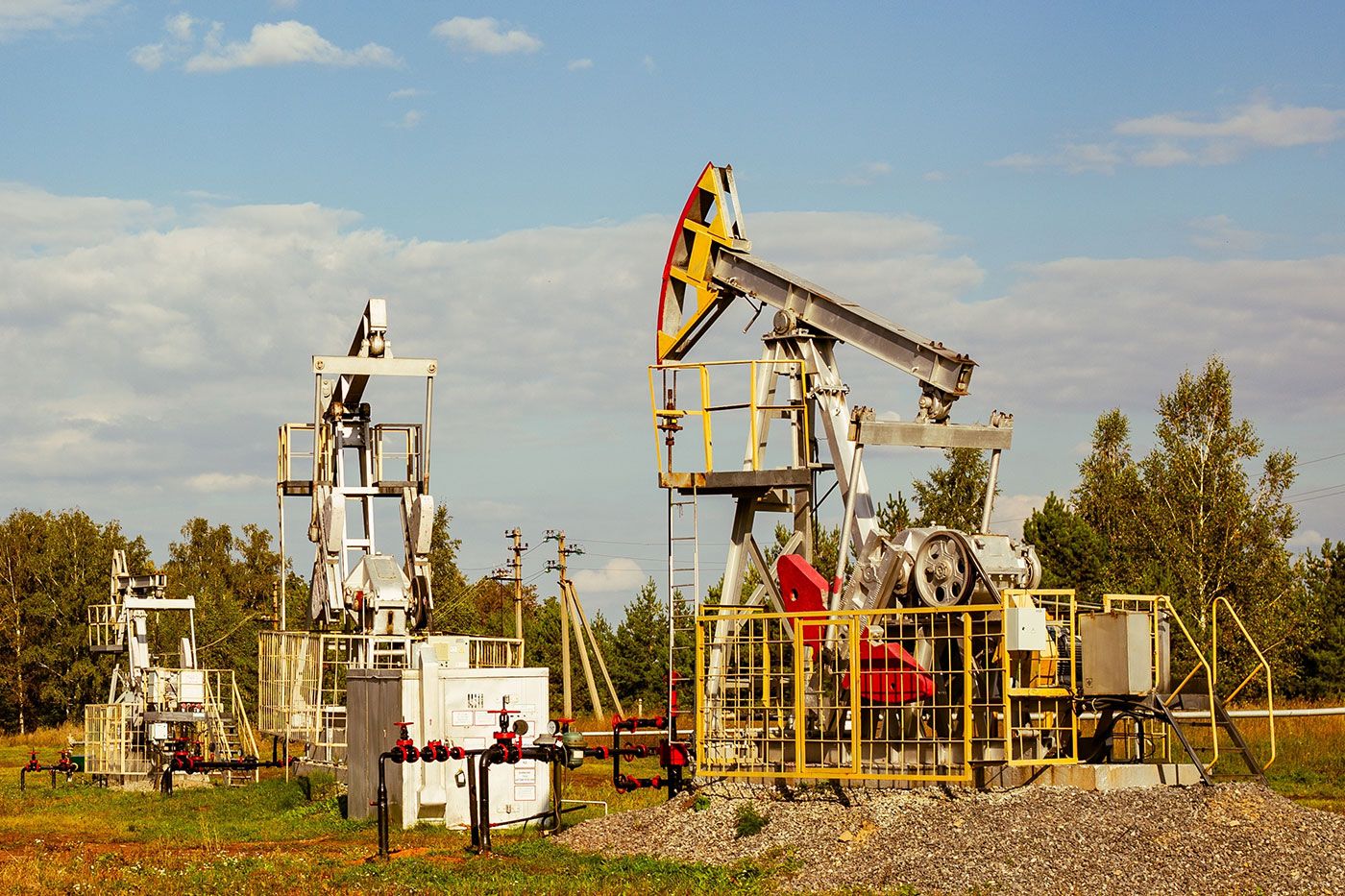
Oil Machine Rig Well

Why Setting Depth Matters for Well Performance

The liner hanger setting depth affects multiple aspects of well performance:

Operational Impact:

  • Determines load distribution
  • Affects cement bond quality
  • Influences pressure isolation

Long-Term Impact:

  • Prevents casing failure
  • Maintains well integrity
  • Supports production efficiency

A properly calculated setting depth ensures that the liner system performs reliably throughout the life of the well.

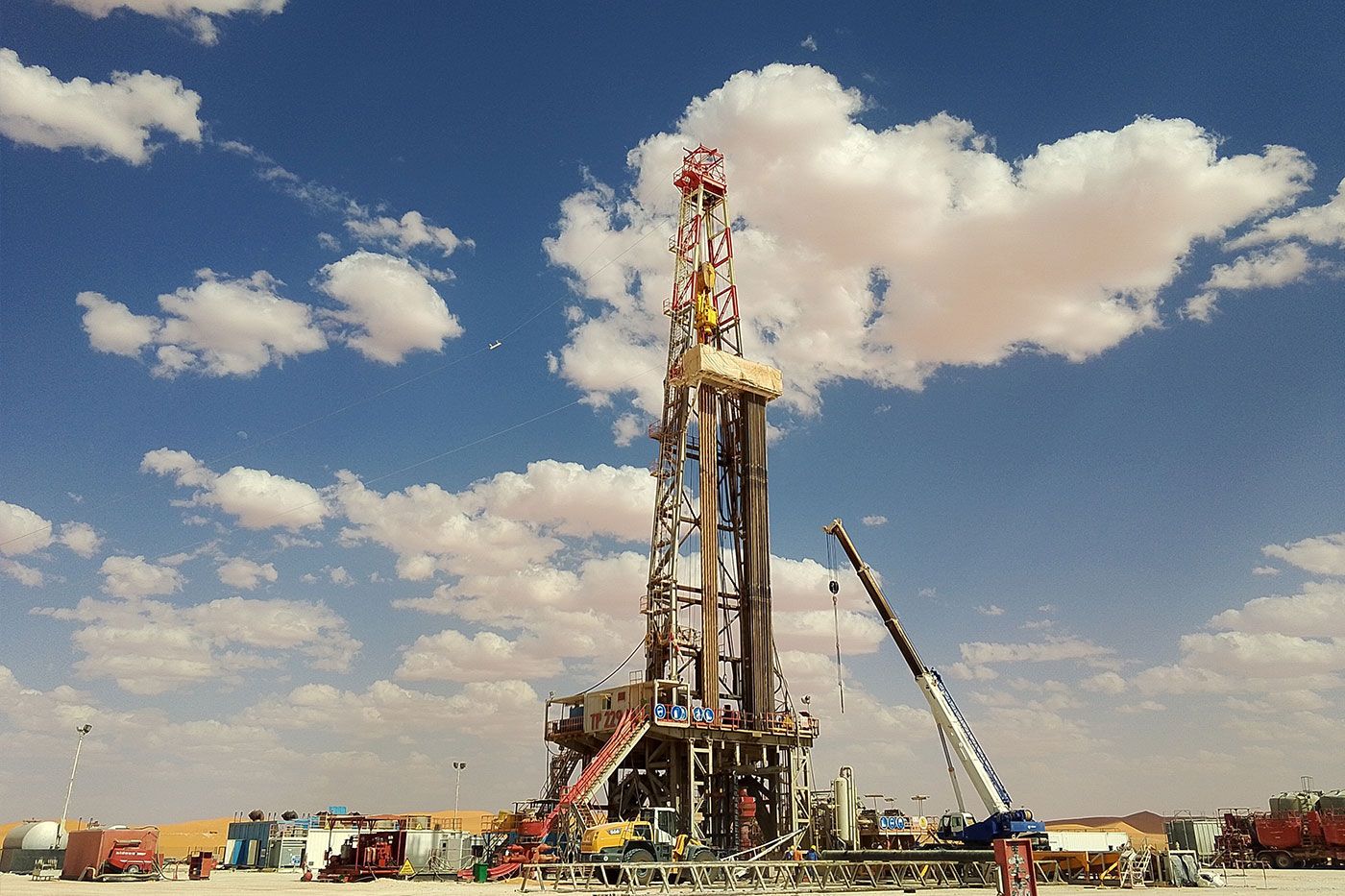
Oil Machine Rig

The Role of Engineering Tools and Simulation

Modern oilfield operations increasingly rely on digital tools to refine calculations.

Advanced planning systems can analyze:

  • Torque and drag
  • Hydraulics
  • Load distribution

These tools help ensure the liner reaches target depth and performs as expected under real-world conditions.

Precision Matters in Liner Hanger Placement

Calculating the setting depth for a liner hanger is a foundational step in well construction. It requires a combination of accurate measurements, engineering judgment, and operational awareness. By understanding the relationship between liner length, total depth, and casing overlap, engineers can ensure proper placement and avoid costly errors. When done correctly, this calculation supports everything from cementing success to long-term well integrity.

For reliable liner hanger systems and field-proven equipment, Delta Oil Tools provides high-performance solutions designed to meet the demands of modern oilfield operations. With expertise in liner hangers, service equipment, and well completion support, our team helps ensure accurate placement, efficient operations, and dependable results in even the most challenging environments. Contact Delta Oil Tools today to learn more about our liner hanger solutions and get expert support for accurate, efficient well completion operations.

Built to Perform When It Counts

Take advantage of our current specials to reduce risk, control costs, and keep your operations moving—backed by the reliability and expertise Delta Oil Tools brings to every job.